
Khái niệm cơ bản và nguyên lý làm việc của cuộn cảm
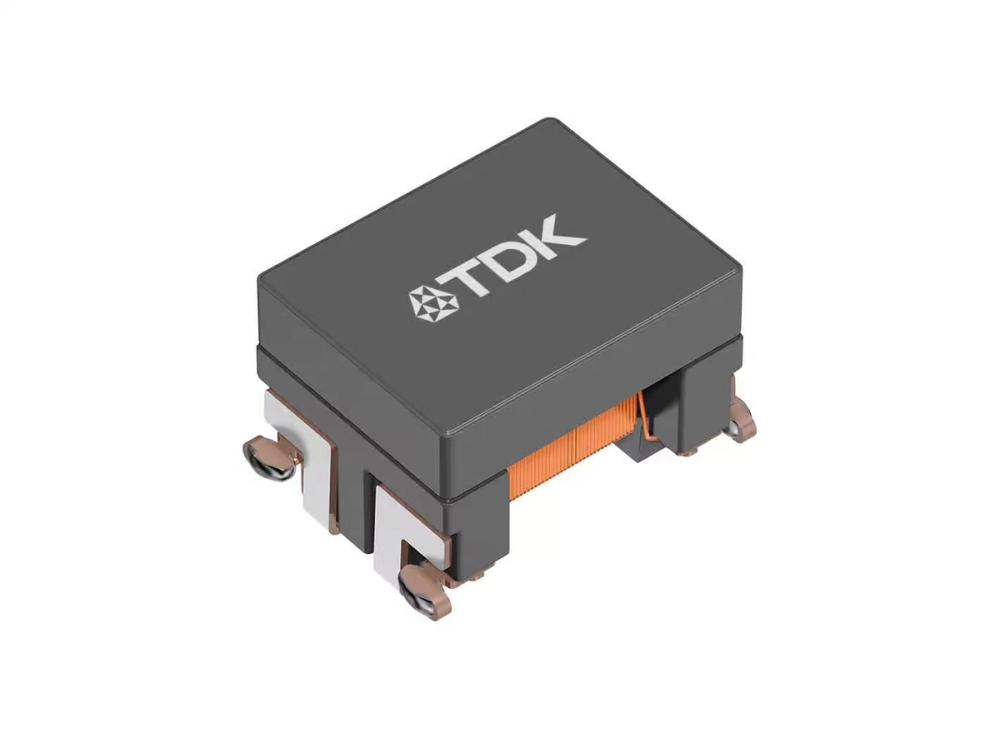
Cuộn cảm là thành phần thụ động cơ bản trong mạch điện tử, cùng với điện trở và tụ điện là ba phần tử cơ bản. Từ góc độ vật lý, cuộn cảm hoạt động dựa trên nguyên lý cảm ứng điện từ, trong đó dòng điện thay đổi trong dây dẫn sẽ tạo ra từ trường thay đổi trong không gian xung quanh. Từ trường thay đổi này lần lượt tạo ra một suất điện động trong dây dẫn chống lại sự thay đổi của dòng điện. Hiện tượng này, được gọi là "tự cảm ứng", là nguyên lý hoạt động cốt lõi của cuộn cảm.
Độ tự cảm thường được đo bằng henries (H), với millihenries (mH) và microhenries (μH) là những đơn vị thường được sử dụng trong các ứng dụng thực tế. Về mặt toán học, mối quan hệ cơ bản của một cuộn cảm có thể được biểu diễn dưới dạng:
V = L × (dI/dt)
Trong đó V đại diện cho suất điện động cảm ứng, L là giá trị độ tự cảm và dI/dt đại diện cho tốc độ thay đổi của dòng điện theo thời gian. Công thức này thể hiện rõ đặc tính của cuộn cảm: dòng điện thay đổi càng nhanh thì suất điện động cảm ứng càng lớn.
Hành vi của cuộn cảm trong mạch điện xoay chiều
Trong mạch điện xoay chiều, cuộn cảm thể hiện đặc tính trở kháng duy nhất được gọi là điện kháng cảm ứng (XL). Điện kháng cảm ứng tỷ lệ thuận với cả tần số và giá trị điện cảm:
X<phụ>L</sub> = 2πfL
Đặc tính này làm cho cuộn cảm thể hiện các đặc tính trở kháng khác nhau ở các tần số khác nhau, tạo thành cơ sở cho thiết kế bộ lọc. Ở tần số thấp, cuộn cảm có trở kháng thấp, trong khi ở tần số cao, chúng có trở kháng cao. Điều này làm cho cuộn cảm trở thành thành phần lý tưởng để triển khai các mạch chọn tần số.
Các loại và đặc điểm chính của cuộn cảm
Phân loại theo cấu trúc
- Cuộn cảm lõi không khí:
- Không có lõi từ, được làm hoàn toàn từ dây quấn
- Độ tuyến tính tuyệt vời, thích hợp cho các ứng dụng tần số cao
- Giá trị điện cảm tương đối nhỏ nhưng hệ số Q cao
- Thường được sử dụng trong các mạch RF và thiết bị liên lạc tần số cao
- Cuộn cảm lõi sắt:
- Chứa lõi vật liệu sắt từ
- Giá trị điện cảm cao hơn, thích hợp cho các ứng dụng tần số thấp
- Do vấn đề bão hòa từ, độ tự cảm giảm khi dòng điện cao
- Thường được sử dụng trong các ứng dụng lọc điện và biến áp
- Cuộn cảm lõi Ferrite:
- Sử dụng vật liệu ferit làm lõi từ
- Cân bằng đặc tính của cuộn cảm lõi không khí và lõi sắt
- Được sử dụng rộng rãi trong các mạch tần số trung bình và cao tần
- Hiệu quả trong việc triệt tiêu nhiễu điện từ (EMI)
- Cuộn cảm nhiều lớp:
- Cấu tạo qua nhiều lớp cuộn kim loại xen kẽ các lớp cách nhiệt
- Kích thước nhỏ gọn, phù hợp với công nghệ gắn trên bề mặt (SMD)
- Được sử dụng rộng rãi trong các thiết bị điện tử hiện đại
- Cung cấp tính nhất quán và độ tin cậy tốt
Phân loại theo ứng dụng
- Cuộn cảm nguồn:
- Được thiết kế để mang dòng điện lớn
- Tính năng điện trở DC thấp (DCR)
- Thường được sử dụng trong chuyển đổi nguồn điện và bộ chuyển đổi DC-DC
- Yêu cầu xem xét các vấn đề về dòng điện bão hòa và nhiệt
- ** Cuộn cảm RF**:
- Tối ưu hóa cho các ứng dụng tần số vô tuyến
- Có giá trị Q cao và tần số tự cộng hưởng chính xác (SRF)
- Thích hợp cho các bộ lọc, bộ tạo dao động và mạng kết hợp
- Yêu cầu bố trí và che chắn cẩn thận
- Cuộn cảm chế độ chung:
- Được thiết kế để ngăn chặn tiếng ồn ở chế độ chung
- Thường có cấu trúc cuộn dây kép
- Đóng vai trò quan trọng trong thiết kế EMC
- Thường thấy trong các mạch lọc nguồn đầu vào
Ứng dụng của cuộn cảm trong mạch điện tử hiện đại
Ứng dụng quản lý nguồn
Cuộn cảm đóng vai trò là thành phần lưu trữ năng lượng trong việc chuyển đổi nguồn điện và là thành phần cốt lõi trong các cấu trúc liên kết như bộ chuyển đổi Buck và Boost. Trong các ứng dụng này, cuộn cảm lưu trữ và giải phóng năng lượng theo định kỳ để đạt được sự chuyển đổi điện áp hiệu quả. Việc chọn các giá trị điện cảm thích hợp là rất quan trọng để kiểm soát dòng điện gợn sóng, hiệu suất và phản ứng nhất thời.
Khi thiết kế mạch điện, các thông số cuộn cảm sau đây phải được xem xét:
- Dòng bão hòa (Isat)
- Điện trở DC (DCR)
- Đánh giá hiện tại
- Tần số tự cộng hưởng (SRF)
Ứng dụng xử lý tín hiệu
Trong mạch xử lý tín hiệu, cuộn cảm kết hợp với tụ điện tạo thành bộ lọc LC dùng để chọn tần số và điều chỉnh tín hiệu. Các ứng dụng phổ biến bao gồm:
- Bộ lọc thông thấp
- Bộ lọc thông cao
- Bộ lọc thông dải
- Bộ lọc chặn băng tần
Các bộ lọc này đóng vai trò quan trọng trong giao tiếp không dây, xử lý âm thanh và mạch giao diện cảm biến.
Triệt nhiễu điện từ
Cuộn cảm là thành phần chính trong thiết kế tương thích điện từ (EMC), triệt tiêu nhiễu thông qua:
- Hoạt động như cuộn cảm ở chế độ chung để triệt tiêu tiếng ồn ở chế độ chung
- Hình thành bộ lọc loại π khi kết hợp với tụ điện
- Tạo sự cách ly trên đường dây điện
- Giảm bức xạ điện từ tần số cao
Cân nhắc lựa chọn và sử dụng cuộn cảm
Lựa chọn thông số chính
Việc chọn cuộn cảm thích hợp đòi hỏi phải xem xét các thông số sau:
- Giá trị điện cảm: Được xác định bởi tần số hoạt động và trở kháng yêu cầu
- Dòng bão hòa: Phải vượt quá dòng hoạt động tối đa trong mạch
- Tần số tự cộng hưởng: Phải cao hơn tần số hoạt động của mạch
- Hệ số Q: Ảnh hưởng đến hiệu suất lọc và tổn thất năng lượng
- Đặc tính nhiệt độ: Độ ổn định của cuộn cảm tác động
- Kích thước và bao bì: Xem xét các hạn chế về không gian PCB
Biện pháp phòng ngừa khi sử dụng
- Tránh ghép từ tính: Nhiều cuộn cảm phải duy trì khoảng cách thích hợp hoặc bao gồm cả tấm chắn
- Xem xét mức tăng nhiệt độ: Cuộn cảm nguồn tạo ra nhiệt đáng kể dưới dòng điện cao
- Ngăn chặn bão hòa: Dòng điện hoạt động phải duy trì ở mức dưới dòng bão hòa
- Lưu ý các tham số ký sinh: Xem xét tác động của điện dung phân tán trong các ứng dụng tần số cao
- Bố cục PCB: Bố cục xung quanh cuộn cảm ảnh hưởng đến hiệu suất của chúng
Xu hướng phát triển trong công nghệ cuộn cảm
Tiến bộ công nghệ vật liệu
Các vật liệu từ tính mới liên tục thúc đẩy cải tiến về hiệu suất của cuộn cảm:
- Vật liệu tinh thể nano nâng cao hiệu suất tần số cao
- Vật liệu có mật độ từ thông bão hòa cao làm tăng mật độ năng lượng
- Vật liệu composite mới cải thiện độ ổn định nhiệt độ
Tích hợp và thu nhỏ
Khi các thiết bị điện tử tiếp tục co lại, cuộn cảm đang phát triển theo các hướng sau:
- Cuộn cảm điện chip
- Tích hợp các thành phần từ tính
- Cuộn cảm dựa trên silicon
- Cuộn cảm có cấu trúc 3D
Quy trình sản xuất tiên tiến
Các công nghệ sản xuất cuộn cảm hiện đại tiếp tục đổi mới:
- Công nghệ cuộn dây chính xác
- Công nghệ đồng đốt đa lớp (MLCC)
- Công nghệ lắng đọng màng mỏng
- Gia công vi mô bằng laser
Kết luận
Là thành phần cơ bản trong mạch điện tử, cuộn cảm đóng vai trò không thể thay thế trong việc quản lý nguồn, xử lý tín hiệu và triệt tiêu EMI. Hiểu các nguyên lý của cuộn cảm, lựa chọn loại cuộn cảm thích hợp và nắm vững các phương pháp sử dụng đúng là rất quan trọng để thiết kế các hệ thống điện tử hiệu suất cao. Với những tiến bộ trong khoa học vật liệu và quy trình sản xuất, cuộn cảm sẽ tiếp tục phát triển theo hướng hiệu suất cao hơn, thu nhỏ và tích hợp, tạo ra nhiều khả năng đổi mới công nghệ điện tử trong tương lai.
Cho dù trong các mạch truyền thống hay các ứng dụng mới nổi, cuộn cảm sẽ tiếp tục đóng vai trò là thành phần chính, khiến các kỹ sư điện tử phải hiểu rõ nguyên tắc hoạt động và kỹ thuật ứng dụng của chúng.